Group Leader of the Biomedical Genomics lab
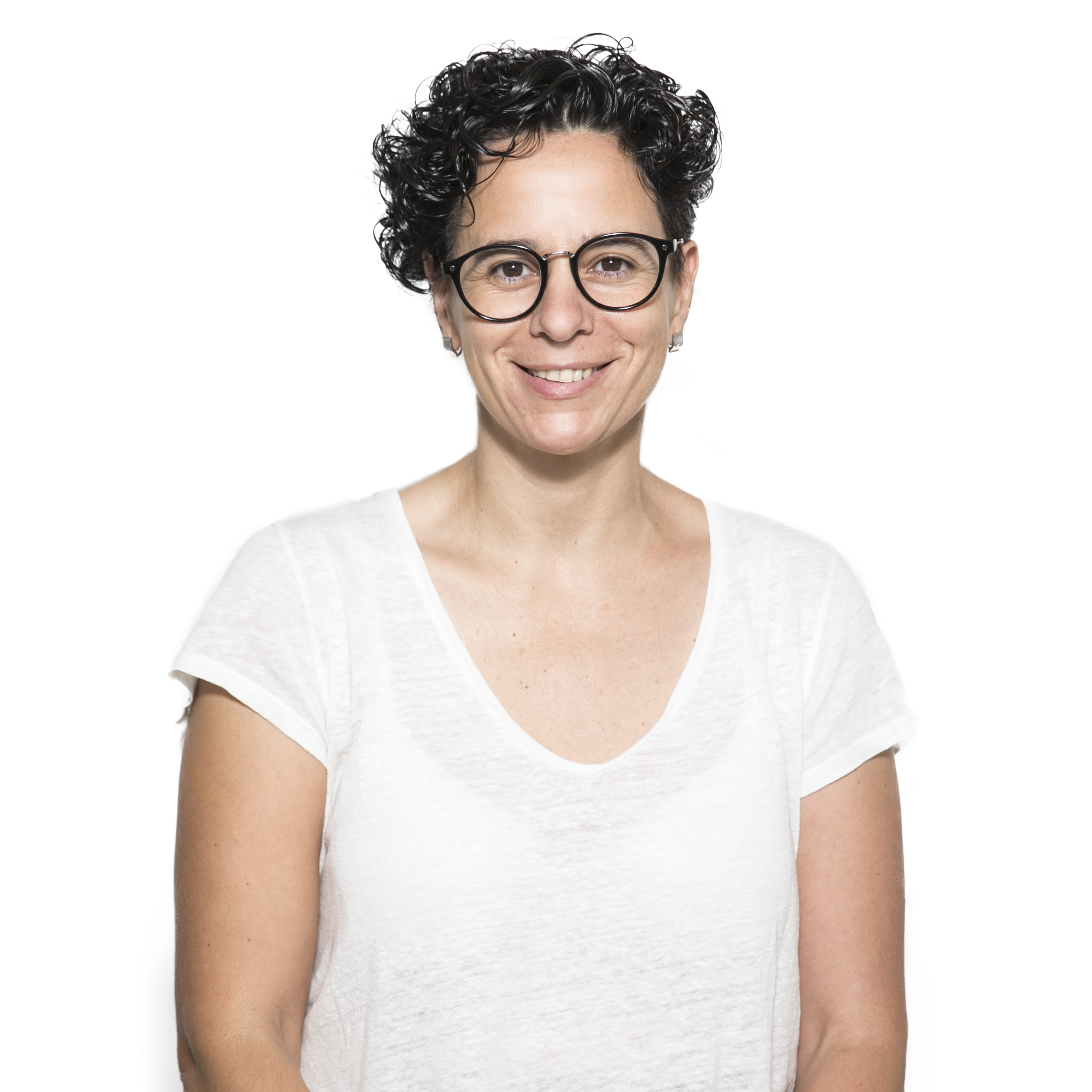
Her lab at IRB investigates how somatic mutations occur in human tissues and which of them, how, and when they provide a selective advantage to cells and could drive cancer development.

Her lab at IRB investigates how somatic mutations occur in human tissues and which of them, how, and when they provide a selective advantage to cells and could drive cancer development.
His lab studies how genomic variation shapes evolution —especially in primates—by integrating population genomics and comparative -omics to understand what makes species, including humans, biologically distinct.
His lab interrogates genome diversity to infer what are the forces that affect living organisms, how and when they act and how they affect biodiversity, human emotions or the differential susceptibility of different people to certain diseases.
His lab uses artificial evolution and ancestral evolutionary reconstructions to create new systems to enable more efficient and secure modification of the human genome and metagenome, as well as to create new biological functions with biotechnological relevance.
His lab uses and develops single-cell omics methods to investigate the evolution of cell types in animals. He is co-coordinating the Biodiversity Cell Atlas (BCA) with the EBI-EMBL.
His lab uses comparative transcriptomics and functional assays in model organisms to investigate the evolution of alternative splicing and its impact in complex polygenic human diseases, such as diabetes and autism.
PRBB Building
Dr. Aiguader, 88
08003 Barcelona | Spain


 https://orcid.org/0000-0003-4925-8988